Language Characteristics of Children with Down Syndrome
Speech Production
Phonological Awareness
- Specific anatomical profile such as hypotonia of muscles around the mouth, fusion of lip muscles and extra lip musculature, may affect speech production.
- A smaller than average oral cavity influence precise articulation required for speech production.
- Dysarthria may reduce speed and range of movement.
- Infants receiving intervention have a similar age for re-duplicated babbling. Those who are not receiving intervention show a slight delay in re-duplicated babbling which may be attributable to hypotonicity and delays in motor development.
- Motor control in speech production are poor due to anatomical differences.
- Difficulty with the motor control required for speech, similar to dyspraxia or childhood apraxia of speech.
- Weakness in producing intelligible speech sounds.
Comprehension
- Impairments in phonological short-term memory have been found to be related to expressive language difficulties.
- Reliance on logographic (whole-word) strategy results to a more advanced single-word reading ability of children with DS.
- They remain in the sight word/logographic stage longer than other typically developing (TD) children.
- Performed poorly on rhyme, syllable segmentation, and phoneme deletion tasks.
- Children with DS may have partial phoneme awareness.
- Grammar and syntax may be specifically impaired in children with DS.
Use of Imitation
- Expressive language was impaired not only in relation to non-verbal cognitive ability but also in relation to receptive language.
- Children and adolescents with DS with deficits in receptive and expressive language are not wholly accounted for by their cognitive delay.
- Have fast mapping ability comparable to TD children.
- Syntactic comprehension is impaired.
- Strengths in vocabulary comprehension compared with non-verbal age
- People with DS generally produce words more accurately on imitation rather than spontaneous production.
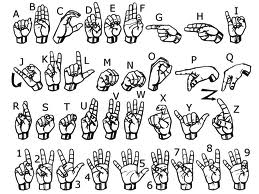
- Imitation and use of gesture are relative strengths of children with DS.
- Uses more gestures and verbal imitation more than TD children.
- Used social cues and imitation during play.
- Rely more heavily on whole-word or visual-orthographic processes to read words.
Pragmatics
Semantics
- Delayed in the requesting function of pragmatics where children with DS asked for fewer requests.
- Conversational interactions are more challenging for boys with DS.
- Rely on less sophisticated form of expression.
- Expressive semantics are delayed.
- Less diverse vocabulary repertoire.
- Show spurts of vocabulary development but then lags behind their TD peers.
- Show deficits in understanding mental state word vocabulary and Theory of Mind (understanding other's thoughts, feelings and intentions) tasks.
Syntax
- Unable to use mental representations to coordinate their ideas with the syntax necessary to express them.
- Language production skills are behind TD peers.
- Possible specific language impairment in syntax.
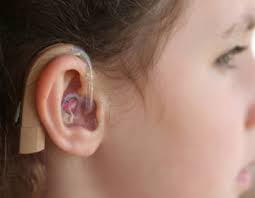
- Cognitive ability and hearing contribute to the problems individuals with DS experience in syntactic learning.
- Delayed in language acquisition
 "Continued speech and motor therapy assessments are beneficial to monitor your child’s development. A complete education assessment is recommended every three years, especially before your child enters school. Community supports like respite and counselling are available if beneficial to your family." - CDSS, 2003 | Assessment Techniques
|
Intervention Strategies
| "Children with Down syndrome benefit from quality inclusive education settings, and the opportunity to learn from and with their peers. Early intervention programs used to identify and support the learning needs of each individual will ensure better and more frequent inclusion in our community schools." - CDSS, 2003
|